Dubai has long been a global business, tourism, and luxury living hub. The continuous investment in infrastructure and transport networks is a significant driver of its rapid urban growth. The extension of Dubai’s roads, metro lines, airports, and public transport systems has profoundly affected real estate prices.
Investor insights reveal that improved connectivity enhances accessibility, attracts investors, and fosters demand for residential and commercial properties. As transportation networks expand, more areas become attractive for development, leading to increased property hotspots and higher rental demand.
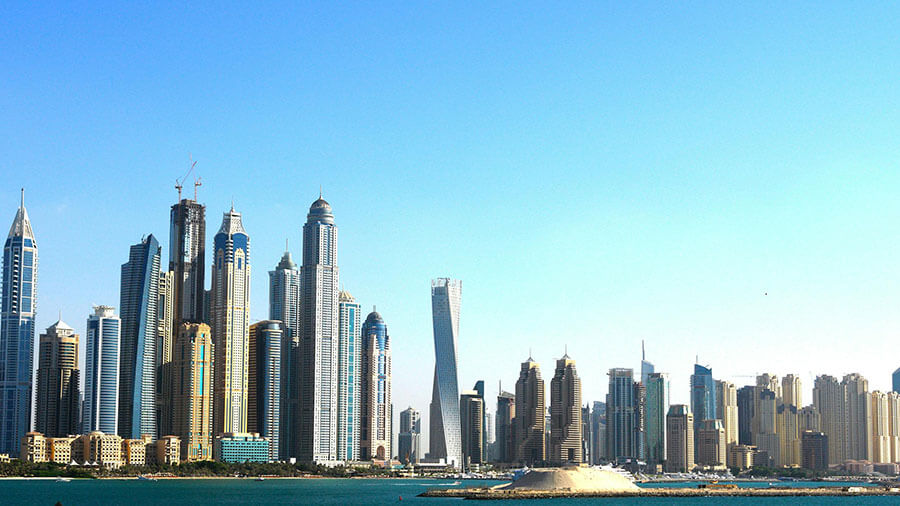
Key Infrastructure Investments and Their Impact
Dubai’s ambitious construction endeavors contribute to property value growth in multiple ways:
- Metro expansion: New metro stations improve travel efficiency, increasing demand for nearby properties. This enhancement leads to a higher concentration of residential and commercial developments around key transport hubs.
- Road developments: Investments in Sheikh Zayed Road, Al Khail Road, and Mohammed bin Zayed Road enhance connectivity, reducing travel time and making residential zones more accessible.
- Airport upgrades: The widening of Dubai International Airport and Al Maktoum International Airport boosts logistics and tourism, attracting business professionals and expatriates who seek convenient housing options.
- Smart mobility initiatives: Autonomous transport and improved public transit networks reduce traffic congestion and enhance commuter convenience.
- Master-planned developments: Integrated communities benefit from better transportation links, which raise property values and increase investor confidence in suburban areas.
Metro Proliferation and Urban Connectivity
Metro expansion is one of the most important factors of real estate price growth. The Dubai Metro, launched in 2009, has played a pivotal role in reshaping urban mobility. The upcoming extension of the Red and Green lines will further boost community accessibility and reduce travel time.
Property near metro stations typically experience higher demand, increasing their value and rental yields. Additionally, introducing new metro stations in emerging residential zones will enhance commuter accessibility and improve the housing supply in those areas.
Investments in Dubai Roads and Traffic Management
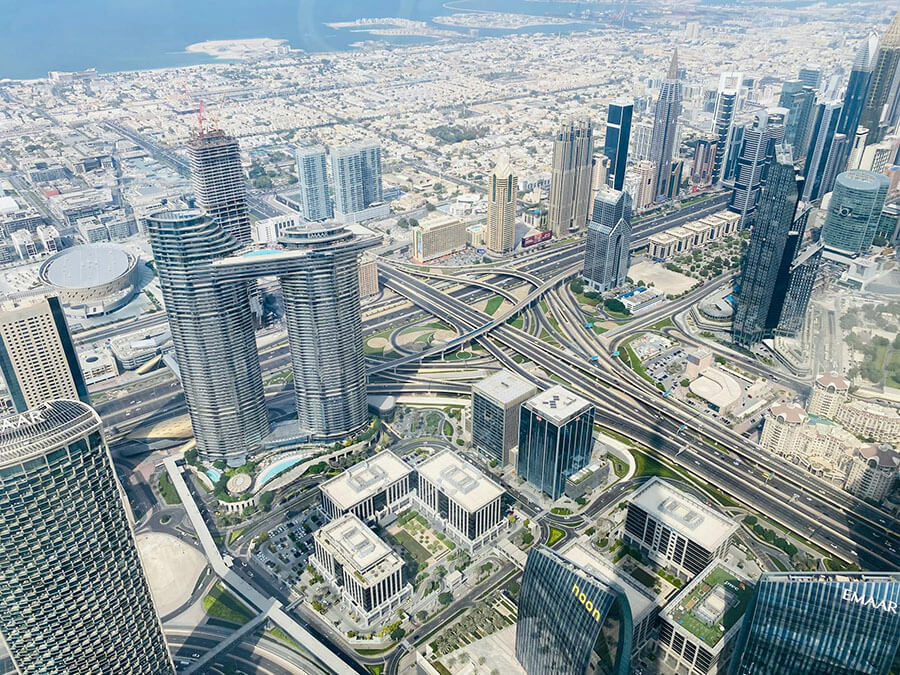
Dubai roads investment, including major expressways and arterial routes, has eased traffic congestion and improved ease of travel. These projects make master-planned communities more attractive, influencing housing supply and rental demand.
Developments such as the expansion of the Al Khail Road interchange and the Sheikh Mohammed bin Rashid Corridor Project improve urban connectivity between commercial districts and residential zones, leading to greater demand for properties in well-connected locations. These projects also align with Dubai’s long-term transportation masterplan, which aims to integrate various transport modes for seamless urban movement.
Public Transportation Lines and Smart Mobility Initiatives
Dubai’s transportation masterplan integrates advanced public transport routes and mobility solutions, expanding options for commuters. Suburban areas are now better linked to central districts, leading to new property hotspots. Some key initiatives include:
- Augmentation of bus networks to underserved areas, reducing reliance on private vehicles.
- Introduction of autonomous transport solutions, improving efficiency in high-traffic zones.
- Development of commuter-friendly cycling and walking paths, promoting sustainable travel alternatives.
Infrastructure’s Impact on Property Market Trends
Real estate forecasts indicate that as transport accessibility improves, suburban areas witness rapid urbanization, leading to increased demand for housing in previously underdeveloped locations. Investors are increasingly looking at emerging districts undergoing transport upgrades, as these areas often experience the highest appreciation in real estate prices. The key factors driving property value growth in these areas include:
- Reduction in travel time. Properties in locations with better connectivity experience higher demand from working professionals.
- Ease of commuter access. More businesses establish operations in areas with strong transport links, driving rental demand.
- Enhanced livability. Developments with integrated transport infrastructure attract long-term residents, leading to stable property appreciation.
Investor Insights and Future Prospects
For real estate investors, understanding infrastructure impact is crucial. Key investment destinations include the areas near:
- Metro stations and major transit hubs, where demand for housing remains consistently high.
- Highways and expressways with improved access, reducing commute times to central business districts.
- Expanding freehold zones benefiting from city growth, offering long-term capital appreciation.
Future infrastructure plans, such as constructing new smart cities and integrating AI-driven transport management systems, will continue to influence Dubai’s real estate landscape. Areas currently undergoing road network and metro connectivity enhancements will likely witness strong property value growth in the coming years.
With a focus on economic diversification and city expansion, investors can anticipate a steady appreciation in real estate prices in Dubai driven by continuous urban development plan advancements.
Conclusion
Dubai’s ongoing infrastructure projects significantly influence real estate prices. Improved transportation accessibility, reduced travel time, and increased commuter convenience contribute to property value growth. As suburban areas become more connected to key commercial and business districts, demand for housing rises, leading to increased property prices and rental yields. Monitoring future transport developments is essential for investors and homeowners to make informed real estate decisions in Dubai’s dynamic market. The interplay between transport network development and property value trends underscores the importance of continuous infrastructure investment, ensuring that Dubai remains a top destination for both residents and global investors.